
The Role of Fuel Storage Facilities in Reducing Operational Risks for Businesses
Unexpected fuel shortages can bring construction projects, manufacturing lines, logistics operations, and industrial facilities to a standstill. Understanding the role of fuel storage facilities helps businesses maintain uninterrupted operations, prepare for supply disruptions, and build a stronger business continuity strategy with the support of reliable fuel partners like Royal Dunes Petroleum.
The Role of Fuel Storage Facilities in Business Continuity
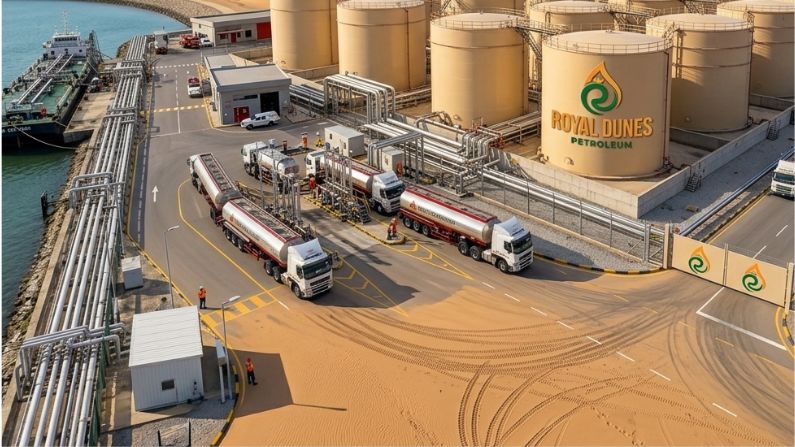
The role of fuel storage facilities extends far beyond storing diesel for future use. A well-planned fuel storage strategy allows businesses to maintain continuous operations, reduce dependence on emergency fuel procurement, and respond quickly to unexpected supply chain disruptions.
Organizations that invest in fuel storage can:
- Minimize operational downtime
- Ensure uninterrupted fuel availability
- Improve emergency preparedness
- Support long-term business continuity
- Maintain productivity during supply disruptions
Rather than reacting to fuel shortages, businesses can proactively manage fuel availability and keep operations running efficiently.
Fuel Storage for Industrial Operations
Reliable fuel storage for industrial operations is essential for industries where continuous fuel availability directly affects productivity and project timelines. Industries that benefit include:
Construction Projects
On-site fuel storage ensures heavy machinery, cranes, excavators, and generators continue operating without delays caused by refueling interruptions.
Manufacturing Facilities
Production plants rely on stored fuel to support machinery, backup generators, and continuous manufacturing processes.
Logistics and Transportation
Fleet operators improve vehicle availability and reduce idle time by maintaining centralized fuel storage facilities.
Infrastructure and Energy Projects
Large-scale developments often operate in remote locations where dependable fuel storage is necessary to maintain project schedules.
Common Business Risks Without Proper Fuel Storage
Many organizations underestimate the operational impact of inadequate fuel planning until disruptions occur. Without an effective storage strategy, businesses may experience:
- Unexpected equipment downtime
- Delayed construction and infrastructure projects
- Fleet operation interruptions
- Emergency fuel procurement at higher costs
- Production losses
- Reduced customer satisfaction
Planning fuel storage in advance significantly reduces these risks while improving operational resilience.
Fuel Storage for Risk Management
One of the greatest advantages of fuel storage for risk management is its ability to protect businesses against uncertainty. Fuel storage helps organizations prepare for:
- Supply chain disruptions
- Transportation delays
- Seasonal demand fluctuations
- Emergency operational requirements
- Unexpected increases in fuel consumption
Maintaining strategic fuel reserves allows businesses to continue operating even when external fuel supply becomes temporarily unavailable.
Fuel Storage Safety Regulations in UAE
Businesses must follow fuel storage safety regulations in UAE to protect employees, equipment, and the surrounding environment while ensuring safe fuel management. Key safety practices include:
- Installing approved fuel storage systems
- Conducting regular inspections and maintenance
- Implementing spill prevention measures
- Maintaining fire protection systems
- Training employees on safe fuel handling
- Following applicable UAE regulatory requirements
Compliance not only improves workplace safety but also helps businesses reduce operational risks and maintain reliable fuel storage systems.
How Fuel Storage Improves Operational Efficiency
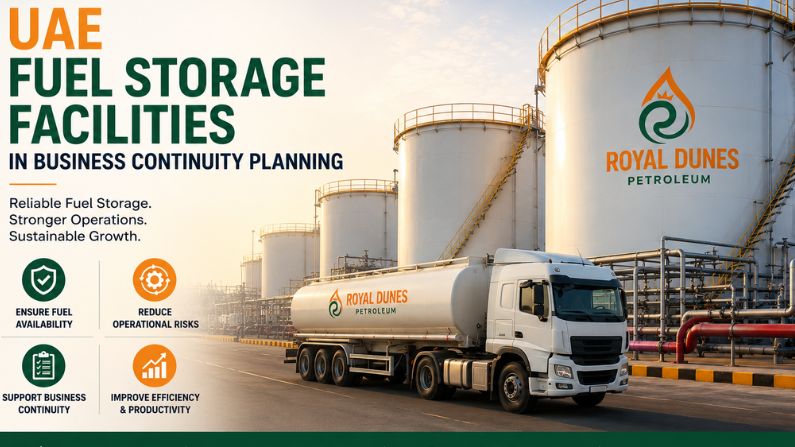
An effective fuel storage strategy delivers benefits beyond emergency preparedness. It also improves everyday business performance.
Businesses can achieve:
- Better fuel inventory control
- More accurate fuel consumption planning
- Reduced emergency fuel purchases
- Improved project scheduling
- Greater equipment utilization
- Enhanced operational stability
When fuel availability is predictable, organizations can focus on productivity rather than managing supply interruptions.
How Businesses Can Build an Effective Fuel Storage Strategy
Successful fuel storage requires more than installing storage tanks. Businesses should develop a structured strategy based on operational requirements. Recommended best practices include:
- Assess daily and monthly fuel consumption
- Maintain emergency fuel reserve levels
- Schedule routine storage inspections
- Monitor inventory using fuel management systems
- Review storage capacity as operations expand
- Partner with experienced fuel suppliers for scheduled replenishment
Combining these practices helps businesses maintain consistent fuel availability while improving long-term operational planning.
Choosing the Right Fuel Storage and Supply Partner
Even the best fuel storage system depends on reliable replenishment. Choosing the right fuel supplier is an important part of business continuity planning. Businesses should look for suppliers that offer:
- Reliable bulk diesel supply
- Scheduled fuel delivery
- Industrial fuel logistics support
- Emergency fuel dispatch
- Flexible supply planning
- Proven experience supporting industrial operations
Royal Dunes Petroleum helps businesses across the UAE strengthen their fuel management strategy through dependable fuel supply solutions designed for industrial, commercial, construction, and logistics sectors.
Conclusion
The role of fuel storage facilities is becoming increasingly important as businesses seek stronger business continuity planning and greater operational resilience. From supporting fuel storage for industrial operations to improving fuel storage for risk management, an effective fuel storage strategy helps organizations reduce downtime, improve efficiency, and prepare for unexpected disruptions.
By following fuel storage safety regulations in UAE and partnering with an experienced fuel supplier like Royal Dunes Petroleum, businesses can build a reliable fuel management system that supports long-term operational stability, protects critical business activities, and enables sustainable growth.
Frequently Asked Questions
1. Which industries benefit most from fuel storage for industrial operations?
Construction, manufacturing, logistics, infrastructure, mining, transportation, and energy-related industries commonly rely on fuel storage to support daily operations.
2. How does fuel storage support risk management?
Fuel storage for risk management helps businesses maintain emergency reserves, reduce supply chain risks, minimize downtime, and improve business continuity planning.
3. What should businesses consider regarding fuel storage safety regulations in UAE?
Businesses should ensure proper tank installation, regular maintenance, fire safety measures, spill prevention, employee training, and compliance with applicable UAE safety requirements.
4. How can Royal Dunes Petroleum support business fuel management?
Royal Dunes Petroleum provides bulk diesel supply, scheduled fuel delivery, industrial fuel logistics, and long-term fuel supply solutions that complement effective fuel storage and business continuity strategies.
5. What are the primary methods used to monitor fuel quality over long periods in storage tanks?
Businesses typically utilize automatic tank gauging (ATG) systems combined with periodic physical sampling and laboratory analysis. These methods track fuel levels, detect moisture or water ingress at the bottom of the tank, and identify microbial growth or fuel degradation before it can impact heavy machinery or backup generators.