Fuel Management for Transport Fleets | Strategies for Better Performance and Cost Control
Fuel management for transport fleets is essential for controlling fuel costs and improving operational efficiency. Effective fuel planning helps businesses reduce wastage, optimize vehicle performance, and maintain reliable transportation operations. As fleet requirements grow, a structured fuel management approach becomes increasingly important for long-term business success.
Why Fuel Management for Transport Fleets Matters

Effective fuel management for transport fleets is essential for reducing operating costs and improving overall fleet performance. Fuel expenses often account for a significant portion of transportation budgets, making fuel efficiency a key factor in business success.
Organizations that actively manage fuel consumption can benefit from:
- Lower operating expenses
- Improved fleet productivity
- Better vehicle utilization
- Reduced fuel wastage
- Greater operational visibility
As fleets expand and transportation requirements become more complex, fuel management becomes increasingly important for maintaining profitability and competitiveness.
Monitor Fuel Consumption to Identify Inefficiencies
The first step in improving fuel efficiency is understanding how fuel is being used. Businesses that monitor fuel consumption regularly can identify unusual usage patterns, detect inefficiencies, and make informed operational decisions.
Key metrics to track include:
- Fuel consumption per vehicle
- Distance traveled
- Fuel cost per route
- Vehicle performance trends
- Idle time fuel usage
Accurate fuel monitoring helps fleet managers identify opportunities for improvement and establish realistic fuel performance targets.
Optimize Routes to Reduce Fuel Costs
Route planning has a direct impact on fuel consumption. Poorly planned routes can increase travel distances, fuel usage, and vehicle wear.
Businesses can improve efficiency by:
- Selecting shorter travel routes
- Avoiding traffic congestion
- Reducing unnecessary trips
- Consolidating deliveries
- Planning schedules effectively
Route optimization is one of the most practical transport fleet fuel solutions available to businesses seeking to lower fuel costs and improve operational efficiency.
Improve Driver Behavior for Better Fuel Efficiency
Driver habits significantly influence fuel consumption. Aggressive driving, excessive acceleration, harsh braking, and prolonged idling can increase fuel usage considerably.
Fuel-efficient driving practices include:
- Maintaining steady speeds
- Reducing unnecessary acceleration
- Limiting engine idling
- Following planned routes
- Practicing defensive driving
Many fleet operators invest in driver training programs to improve fuel efficiency and reduce operating costs across their vehicle fleets.
Maintain Vehicles Regularly
Vehicle condition plays a major role in fuel performance. Poor maintenance can cause engines to work harder and consume more fuel than necessary. Essential maintenance activities include:
- Regular engine servicing
- Tire pressure inspections
- Air filter replacement
- Oil and lubricant checks
- Brake system maintenance
Well-maintained vehicles typically operate more efficiently, resulting in improved fuel economy and reduced repair costs.
Use Technology to Support Fleet Operations
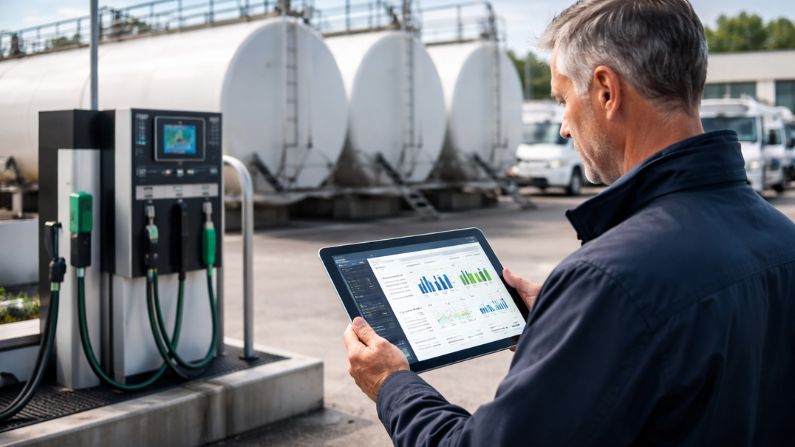
Technology has become an important component of modern fleet management. Advanced monitoring systems help businesses track fuel usage and improve operational decision-making.
Useful technologies include:
- GPS tracking systems
- Telematics solutions
- Fuel monitoring software
- Fleet management platforms
- Driver performance reporting tools
These technologies provide real-time insights that help businesses optimize fleet operations and improve fuel efficiency.
Develop a Structured Fuel Management Policy
Successful fleet operations often rely on clear fuel management procedures. A structured policy helps standardize fuel-related processes across the organization.
An effective fuel policy should cover:
- Fuel purchasing procedures
- Driver responsibilities
- Vehicle maintenance schedules
- Fuel reporting requirements
- Fuel efficiency goals
Establishing clear guidelines helps improve accountability while supporting consistent operational performance.
Common Fuel Management Challenges for Transport Fleets
Transport businesses often face challenges that affect fuel efficiency and operational performance. Identifying these issues early helps fleet managers implement corrective measures before costs increase.
Common challenges include:
- Fuel theft and unauthorized usage
- Excessive vehicle idling
- Poor route planning
- Inconsistent vehicle maintenance
- Lack of fuel consumption tracking
Addressing these challenges through structured fuel management processes can improve efficiency and reduce long-term operating costs.
How Commercial Fleet Fuel Supply Supports Business Continuity
Reliable fuel availability is a critical component of successful fleet management. Delays in fuel access can affect schedules, disrupt deliveries, and increase operational costs.
Effective commercial fleet fuel supply arrangements help businesses:
- Maintain uninterrupted operations
- Improve delivery reliability
- Reduce emergency fuel procurement
- Support route planning
- Strengthen business continuity
Companies such as Royal Dunes Petroleum support transport operators with organized fuel supply solutions designed to meet ongoing operational requirements. Through dependable fuel coordination and scheduled delivery services, businesses can maintain fleet readiness while improving fuel planning.
Conclusion
Implementing strong practices of fleet fuel management in uae helps businesses improve efficiency, reduce fuel costs, and maintain reliable transportation operations. From monitoring fuel consumption and optimizing routes to improving driver behavior and maintaining vehicles, every aspect of fuel management contributes to better fleet performance.
Combining these best practices with dependable fuel supply support enables businesses to strengthen operational continuity, increase productivity, and support long-term growth. As transportation demands continue to evolve, organizations that prioritize fuel management will be better equipped to achieve sustainable success.
Frequently Asked Questions
1. What is fleet fuel management in uae?
Fuel management involves monitoring, controlling, and optimizing fuel usage across vehicles to improve efficiency and reduce operating costs.
2. Why is fuel monitoring important for fleet operators?
Fuel monitoring helps identify inefficiencies, track consumption patterns, and improve budgeting and operational planning.
3. How can route optimization reduce fuel costs?
Efficient route planning reduces travel distances, avoids traffic congestion, and minimizes unnecessary fuel consumption.
4. What role does vehicle maintenance play in fuel efficiency?
Regular maintenance improves engine performance and helps vehicles operate more efficiently, reducing fuel usage.
5. How does commercial fleet fuel supply support transport businesses?
Reliable fuel supply ensures uninterrupted operations, improves scheduling, and helps businesses maintain consistent fleet performance.