
Common Challenges in Industrial Fuel Supply in Abu Dhabi and How to Avoid Them
Industrial fuel supply in Abu Dhabi is essential for keeping construction, manufacturing, logistics, and infrastructure operations running efficiently. By understanding common fuel supply challenges in Abu Dhabi and implementing effective industrial fuel management in UAE practices, businesses can reduce disruptions, control costs, and maintain operational continuity.
Understanding Industrial Fuel Supply in Abu Dhabi
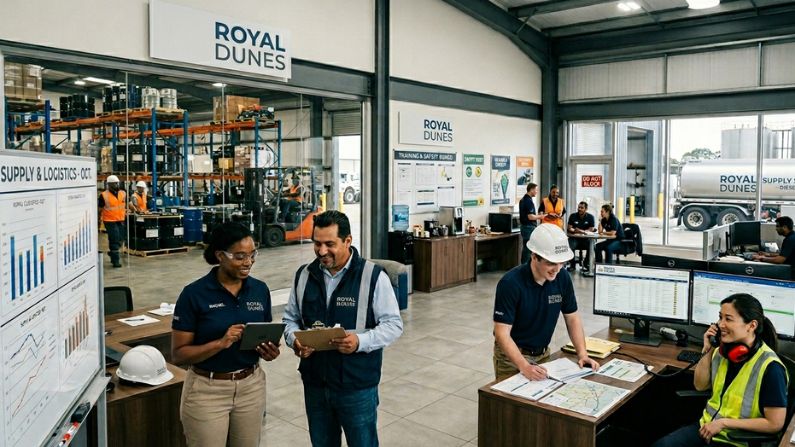
Abu Dhabi’s industrial ecosystem includes large-scale construction sites, manufacturing units, energy projects, and logistics networks. These industries require continuous fuel access to power machinery, generators, fleets, and heavy equipment.
A reliable industrial fuel supply in Abu Dhabi ensures smooth operations and supports business continuity across multiple sectors. However, fuel demand fluctuations, logistics constraints, and supplier limitations often create operational challenges that need to be managed strategically.
Common Fuel Supply Challenges in Abu Dhabi
Despite strong infrastructure and supply networks, businesses still face several fuel supply challenges in Abu Dhabi that impact efficiency and operational planning.
Fuel Delivery Delays
One of the most frequent challenges is delayed fuel deliveries. Industrial operations often follow strict schedules, and even minor delays can disrupt project timelines.
Delivery issues may arise due to:
- High demand periods
- Traffic and transportation constraints
- Poor delivery planning
- Limited supplier capacity
These delays can lead to equipment downtime and reduced productivity.
Inconsistent Fuel Availability
Fluctuations in demand can sometimes lead to inconsistent fuel supply. When fuel is not available on time, businesses may face operational interruptions.
This is especially critical for industries that depend on continuous machinery usage or fleet operations.
Poor Fuel Consumption Tracking
Many organizations struggle with monitoring fuel usage effectively. Without proper tracking systems, businesses may experience:
- Fuel wastage
- Unexpected shortages
- Budget inaccuracies
- Inefficient resource allocation
This highlights the importance of structured industrial fuel management UAE.
Supplier Reliability Issues
Choosing an unreliable supplier is a major risk in industrial fuel operations. Some suppliers may fail to deliver on time or lack the capacity to support large-scale industrial requirements.
Common issues include:
- Delivery inconsistencies
- Limited operational flexibility
- Weak communication systems
- Lack of emergency support
Storage and Emergency Preparedness Gaps
Many businesses do not maintain adequate fuel reserves or contingency plans. This increases vulnerability during unexpected demand spikes or supply disruptions.
Without proper planning, companies may face:
- Operational downtime
- Emergency procurement costs
- Project delays
- Reduced productivity
How to Avoid Industrial Fuel Supply Challenges

To overcome these challenges, businesses must adopt structured planning and reliable supply chain strategies.
Strengthen Industrial Fuel Management UAE Practices
Effective industrial fuel management in UAE is the foundation of operational stability. Businesses should implement systems that monitor, control, and optimize fuel usage.
Key practices include:
- Regular fuel consumption tracking
- Scheduled refueling plans
- Accurate inventory monitoring
- Usage-based forecasting
Work with Reliable Fuel Suppliers
Partnering with experienced suppliers ensures consistent and dependable fuel delivery services. A reliable supplier reduces risks associated with delays and shortages.
Businesses should evaluate suppliers based on:
- Delivery performance
- Industry experience
- Operational capacity
- Flexibility and responsiveness
Implement Scheduled Fuel Delivery Systems
Scheduled delivery helps businesses maintain consistent fuel availability without manual intervention. It ensures fuel is delivered based on actual consumption patterns.
This reduces:
- Emergency fuel orders
- Operational disruptions
- Inventory mismanagement
Maintain Emergency Fuel Reserves
Having backup fuel storage is essential for handling unexpected disruptions. Proper reserves ensure that operations continue even during supply delays.
Recommended practices:
- Maintain minimum fuel stock levels
- Plan backup supplier arrangements
- Review consumption trends regularly
Improve Demand Forecasting
Accurate forecasting helps businesses prepare for changes in fuel consumption based on project demands or seasonal variations.
This includes:
- Monitoring project timelines
- Estimating fuel requirements in advance
- Adjusting supply schedules accordingly
Building a Reliable Industrial Fuel Supply Strategy in Abu Dhabi
A strong fuel supply strategy combines planning, supplier coordination, and efficient consumption management. Businesses that proactively address fuel supply challenges in Abu Dhabi can significantly improve operational performance and reduce risks.
A reliable system ensures:
- Continuous fuel availability
- Reduced operational downtime
- Better cost control
- Improved productivity
Role of Professional Fuel Partners
Experienced fuel suppliers play a key role in strengthening industrial fuel supply in Abu Dhabi. They provide structured delivery systems, logistics support, and scalable solutions for industrial operations.
Companies like Royal Dunes Petroleum support businesses with:
- Scheduled diesel delivery
- Bulk fuel supply solutions
- Multi-site fuel coordination
- Flexible supply planning
- Industrial logistics support
This helps organizations maintain smooth operations and focus on core business activities.
Conclusion
Managing industrial fuel supply in Abu Dhabi requires more than just procurement; it requires strategic planning, reliable logistics, and efficient fuel management systems.
By addressing common fuel supply challenges in Abu Dhabi and adopting strong industrial fuel management UAE practices in the UAE, businesses can reduce downtime, improve efficiency, and ensure uninterrupted operations. A structured fuel strategy supported by a dependable supplier is essential for long-term operational success in Abu Dhabi’s competitive industrial environment.
Frequently Asked Questions
1. What are the most common fuel supply challenges in Abu Dhabi?
Common challenges include delivery delays, fuel shortages, inventory management issues, and supplier reliability concerns.
2. Why is industrial fuel management important?
Effective fuel management helps businesses reduce waste, improve planning, and maintain uninterrupted operations.
3. How can businesses avoid fuel delivery disruptions?
Working with an experienced supplier, maintaining fuel reserves, and scheduling deliveries in advance can help reduce disruptions.
4. Which industries require industrial fuel supply services?
Construction, manufacturing, logistics, infrastructure, warehousing, and commercial sectors commonly rely on industrial fuel supply.